
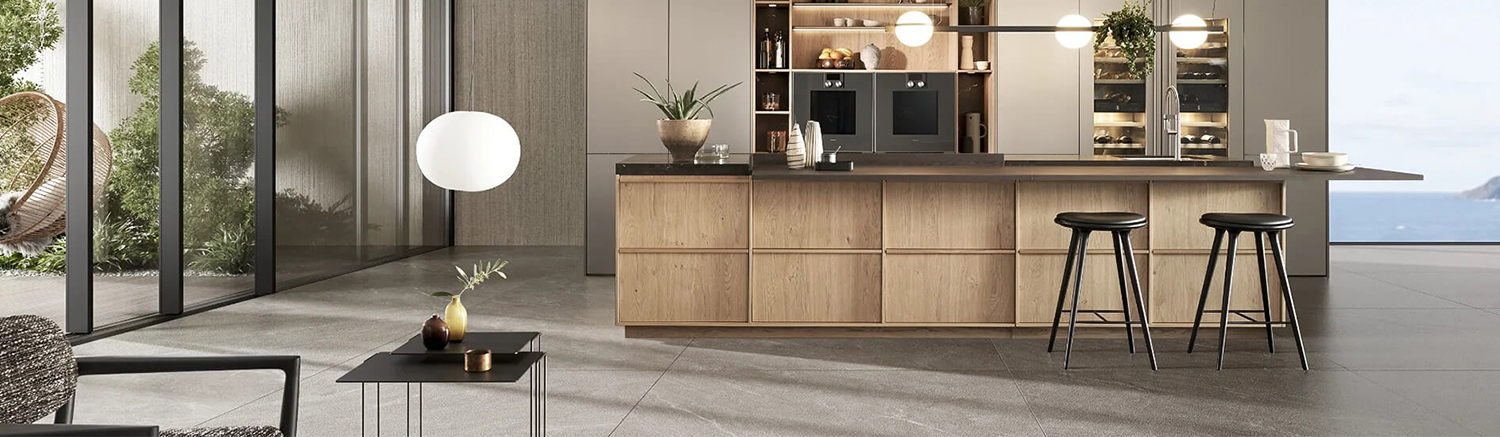
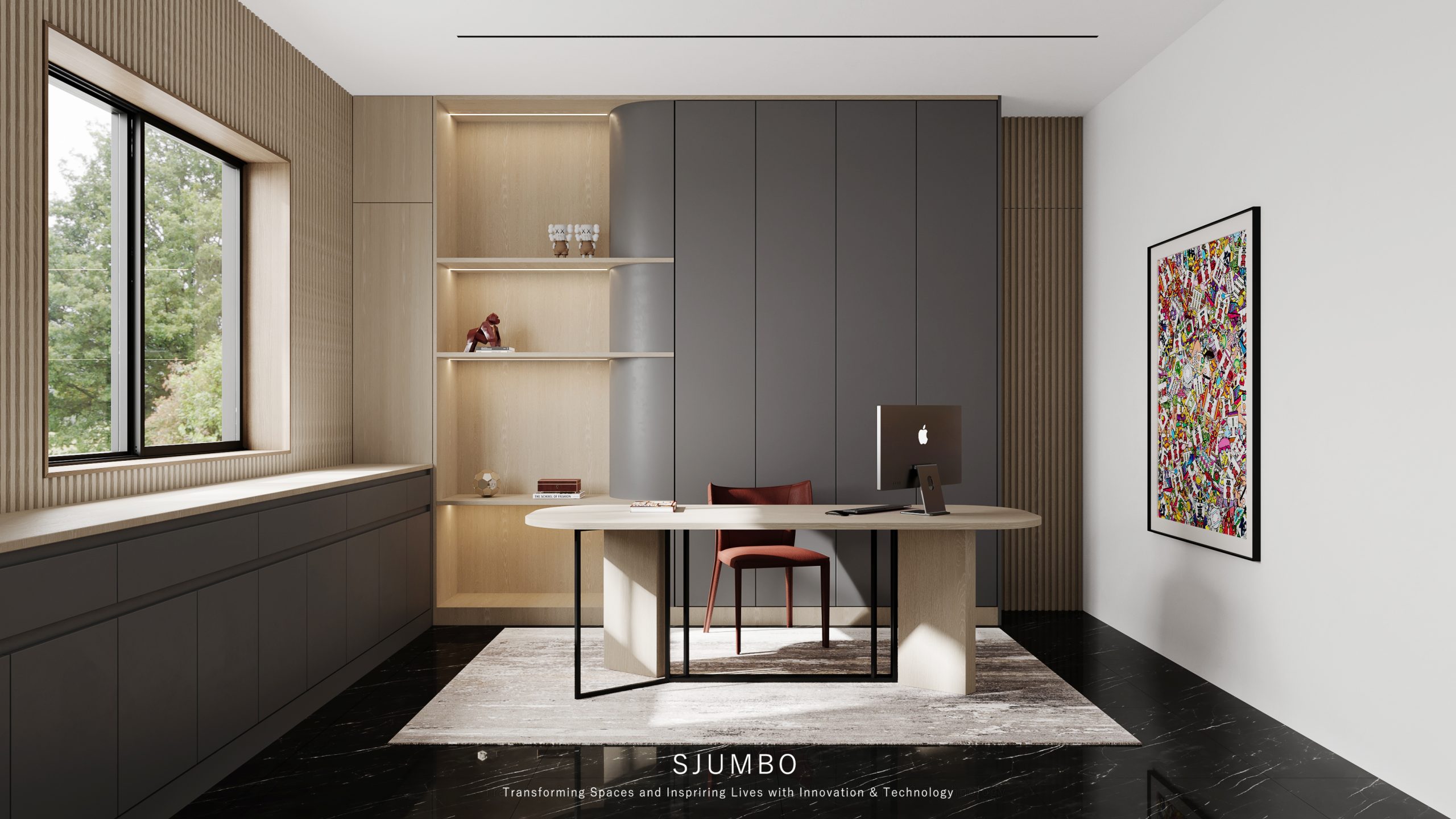
In the whole-process delivery of Whole House Customization shipping solutions, the accuracy of CBM calculation for consolidated shipping for whole house customization and the ability of maximizing 40HQ container space directly determine the delivery efficiency and comprehensive cost control of full orders. With 16 years of deep cultivation in the whole house customization industry, SJUMBO has accumulated rich experience in full-order shipping for tens of thousands of sets of custom furniture, and has a deep understanding of the pain points of container space waste in the industry. Below, we will systematically elaborate on how to solve the problem of 40HQ container volume waste and achieve efficient loading through precise CBM calculation and scientific loading strategies.
A 40HQ container has a theoretical volume of 76CBM, but in actual loading of whole house custom furniture, a 10%-15% space loss is almost inevitable—many people even regard this loss as “normal”, which is actually a wrong cognition. The root cause of this waste is not the container itself, but the lack of scientific CBM calculation, unreasonable packaging forms and irregular loading strategies.
In the actual operation of SJUMBO, we found that the volume waste of 40HQ containers mainly comes from three aspects: first, the error of CBM calculation leads to inaccurate pre-estimation, resulting in either insufficient space or idle gaps; second, the packaging forms of different custom furniture categories are not matched, and the space utilization rate of pre-assembled products is significantly lower; third, the lack of professional loading planning, ignoring the Safety Buffer and Load Balancing requirements, resulting in unbalanced cargo placement and wasted space.
For custom furniture with complex components such as cabinets, wardrobes and wall panels, even a 5% space waste can lead to an increase in transportation costs for the whole order. This is why SJUMBO has always regarded precise CBM calculation and scientific loading as the core links of whole house customization delivery.
The CBM calculation for custom cabinetry under bespoke Whole House Customization is not a simple multiplication of length, width and height. The volume occupation of different custom furniture categories varies greatly due to differences in plate thickness, structural shape and packaging forms. Among them, the choice between flat-pack (RTA) and pre-assembled packaging has the most direct impact on CBM. The following is a detailed CBM calculation matrix sorted out by SJUMBO based on 16 years of practical experience, including exclusive Volume Saving Tip for each category:
| Custom Furniture Category | Packaging Type | Single Set CBM Coefficient | Conventional Space Occupancy Rate | Adapted Shipping Mode | Volume Saving Tip |
|---|---|---|---|---|---|
| Integral Kitchen Cabinets | Flat-pack (RTA) | 0.32-0.45 | 42%-51% | Full-order Consolidated Shipping | Disassemble countertop and cabinet body separately, and nest small components to save 15% CBM |
| Walk-in Wardrobes | Flat-pack (RTA) | 0.40-0.58 | 45%-55% | Full-order Consolidated Shipping | Avoid large pre-assembled sections to save 20% CBM, and stack side panels in a staggered way |
| Bathroom Vanity Combos | Pre-assembled | 0.68-0.82 | 83%-90% | Small-batch Custom Shipping | Remove detachable parts such as mirrors and place them independently to save 8% CBM |
| Wall Panels | Classified Flat-pack | 0.25-0.36 | 38%-48% | Full-order Consolidated Shipping | Classify by size and stack vertically, and add protective pads to avoid space waste caused by tilting |
It is worth mentioning that flat-pack packaging for custom furniture is not only conducive to reducing CBM, but also can effectively reduce collision damage during transportation—this is the main packaging form that SJUMBO has been promoting for a long time. For large-scale whole house customization orders, adopting flat-pack packaging can reduce the overall CBM by 30% compared with pre-assembled packaging, which directly reduces transportation costs.
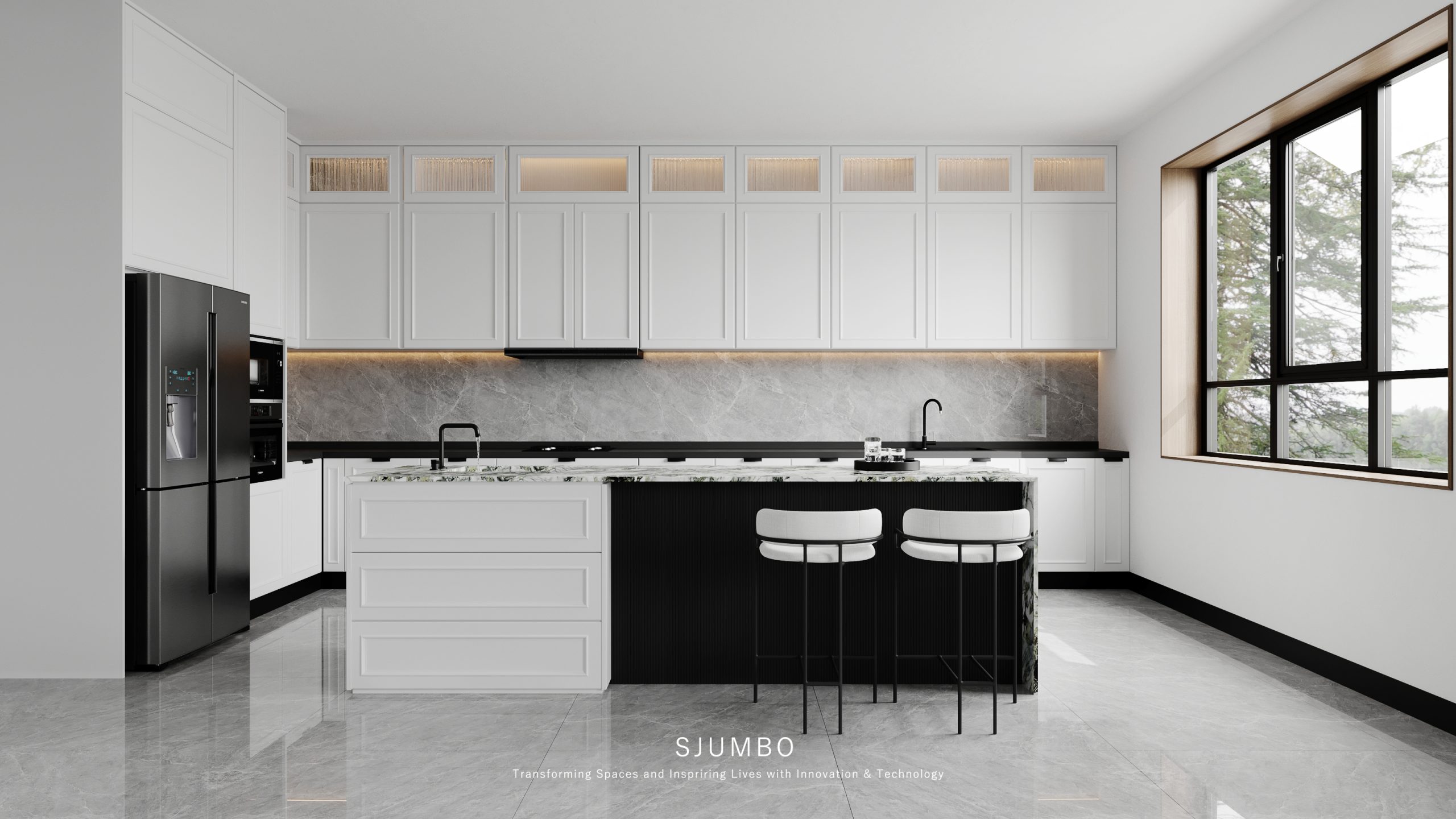
Maximizing 40HQ container space for Whole House Customization container loading is like a “precision puzzle”. It is not enough to rely on accurate CBM calculation; scientific loading strategies are also needed to tap the potential of container space. Based on the practical experience of tens of thousands of orders, SJUMBO summarizes 4 core strategies, which can effectively reduce space waste and improve loading efficiency:
Through the above four strategies, SJUMBO can compress the conventional 10%-15% space loss of 40HQ containers to less than 5%, and the actual loading capacity can be increased by 12%-18%, which effectively reduces the transportation allocation cost per set of custom furniture.
After completing CBM calculation and loading optimization, the final pre-sealing inspection is the last line of defense to ensure zero-defect delivery. Ignoring any detail may lead to cargo damage or loss during transportation. SJUMBO has formulated a strict pre-sealing checklist based on 16 years of experience, covering three core aspects:
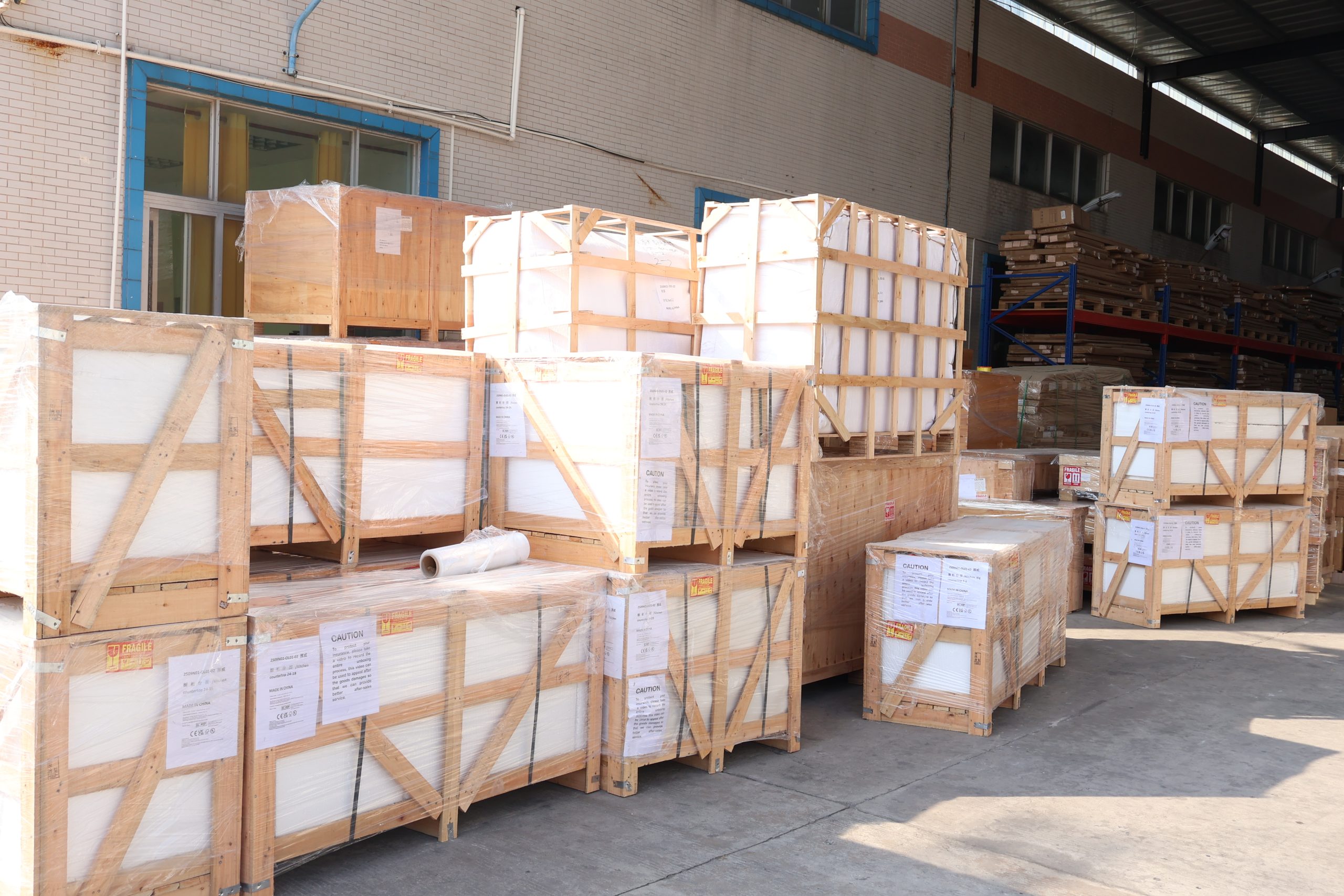
We have sorted out the most common questions raised by clients in the process of consolidated shipping for whole house customization, and given professional answers based on SJUMBO’s 16 years of practical experience, hoping to help you solve practical problems:
Whether you are a developer in Australia or a designer in the USA, managing the shipping volume of a Shaker-style kitchen vs. a minimalist lacquer wardrobe requires different modular packaging logic. The delivery of whole house customization is never a single link of production and installation; consolidated shipping for whole house customization,precision CBM calculation and 40HQ container space maximization are the key to ensuring the efficiency and quality of the whole order delivery.
With 16 years of experience in the whole house custom furniture industry, SJUMBO has formed a mature and complete consolidated shipping system, covering from CBM calculation, standardized packaging, Consolidation Hub management to scientific loading and pre-sealing inspection. We can provide tailored shipping solutions according to the characteristics of different custom projects, help clients reduce transportation costs, avoid cargo damage, and ensure that every set of custom furniture is delivered safely and efficiently to the destination. Choosing SJUMBO means choosing professional, reliable and efficient whole house customization delivery services.
Truth be told, interior designers tend to combine sinte […]
As a furniture brand deeply engaged in cross-border cus […]
In the custom furniture industry, the core of quality l […]
The design and engineering logic of ultra-luxury reside […]
Related links:
About Us Company News Industry Updates Kitchen Cabinets Bathroom Suites Wardrobes Wall Systems Doors Windows & Balustrades SSL 100% Secure Transactions