
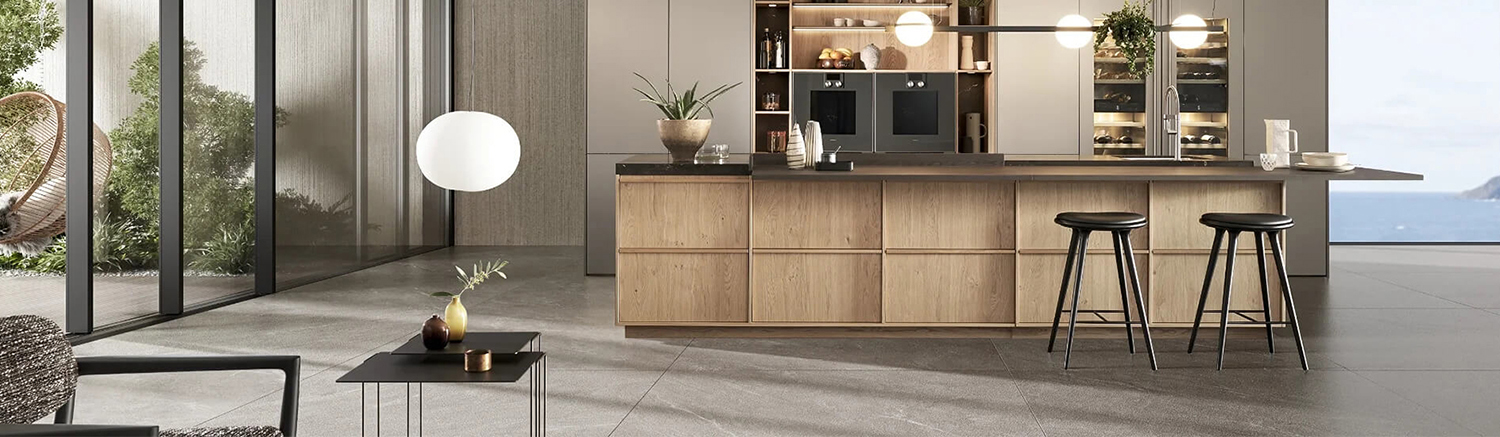
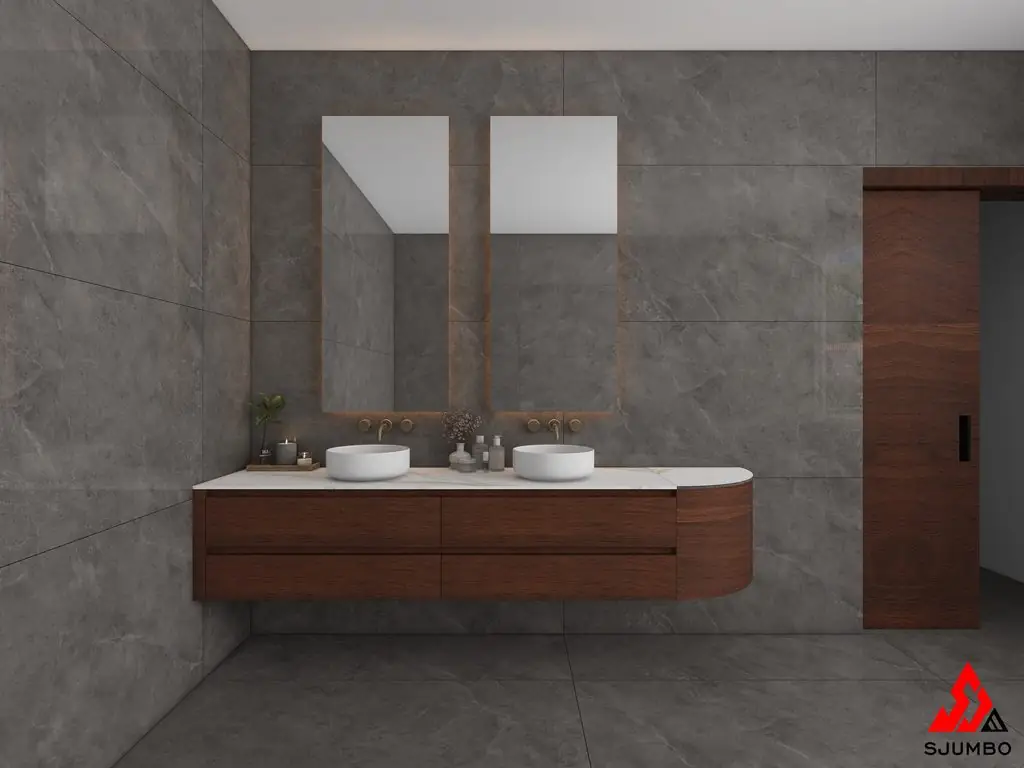
Bathroom vanities installed in high-humidity coastal and tropical zones—such as Florida and the Gulf Coast (USA), Queensland (Australia), Coastal British Columbia (Canada), and tropical resort destinations—face extreme moisture challenges every single day. When ambient indoor and bathroom relative humidity stays above 80%, standard vanity cabinets begin degrading within 6 to 12 months after project handover.
For B2B wholesalers, project contractors, and luxury hotel builders, these moisture-related failures translate directly into:
The question is not whether moisture will attack your vanities—it is whether the material system you specify can withstand that attack for the full project lifecycle. This guide breaks down the two dominant material approaches—aviation-grade aluminum frame systems and premium moisture-resistant plywood—and delivers a data-driven ROI comparison to help procurement teams make the right call.
Design & Aesthetics: Plywood offers a natural, warm timber feel with high customizability for complex carved doors, traditional raised panels, and classical aesthetics. It is the default choice for projects that prioritize a traditional wood look.
Structural Properties: Good initial screw-holding power and lower upfront purchasing cost make plywood attractive on a unit-price basis.
Vulnerability in Extreme Moisture: Even high-grade plywood relies entirely on edge sealing for moisture protection. During long-distance ocean freight or on-site handling, micro-cracks can develop along seams. Steam and standing water then penetrate the interior glue layers, leading to:
Once moisture breaches the seal, the damage is irreversible. The vanity must be replaced, not repaired.
Core Advantages: Aluminum frame systems feature 0% water absorption, complete immunity to mold and rot, zero rusting (when using architectural-grade alloys), and exceptional dimensional stability under drastic humidity fluctuations. These properties are inherent to the material—not dependent on surface coatings or edge seals that can fail.
Engineering Considerations: This system requires sub-millimeter extrusion precision and high-grade corner connectors. Low-quality aluminum vanities with thin walls can feel hollow or structurally loose. However, properly engineered structural systems—using heavy-gauge extrusions and solid mechanical joinery—resolve these issues completely, delivering a rigid, square, and durable cabinet frame.
| Evaluation Metric | Aviation-Grade Aluminum Frame System | Premium Moisture-Resistant Plywood |
| Moisture & Mold Immunity | 100% waterproof / completely immune to mold | Moderate to High (requires intact edge sealing) |
| Dimensional Deformation Rate | 0% (impervious to humidity swings) | Low to Medium (risk escalates over time) |
| Upfront Purchasing Cost | Moderate initial investment | Lower initial unit price |
| Long-Term Maintenance Cost (TCO) | Near-zero post-installation service costs | High potential expense for replacements |
| Freight & Handling Efficiency | Lightweight structural frame, lower freight cost | Heavier, higher container shipping expense |
| Ideal Project Applications | Beachfront resorts, coastal villas, high-humidity residential | Dry inland apartments, budget-focused housing |
Key takeaway: Plywood wins on day-one unit price. Aluminum frame wins on every metric that matters after day one—especially in the coastal and tropical environments where failure risk is highest.
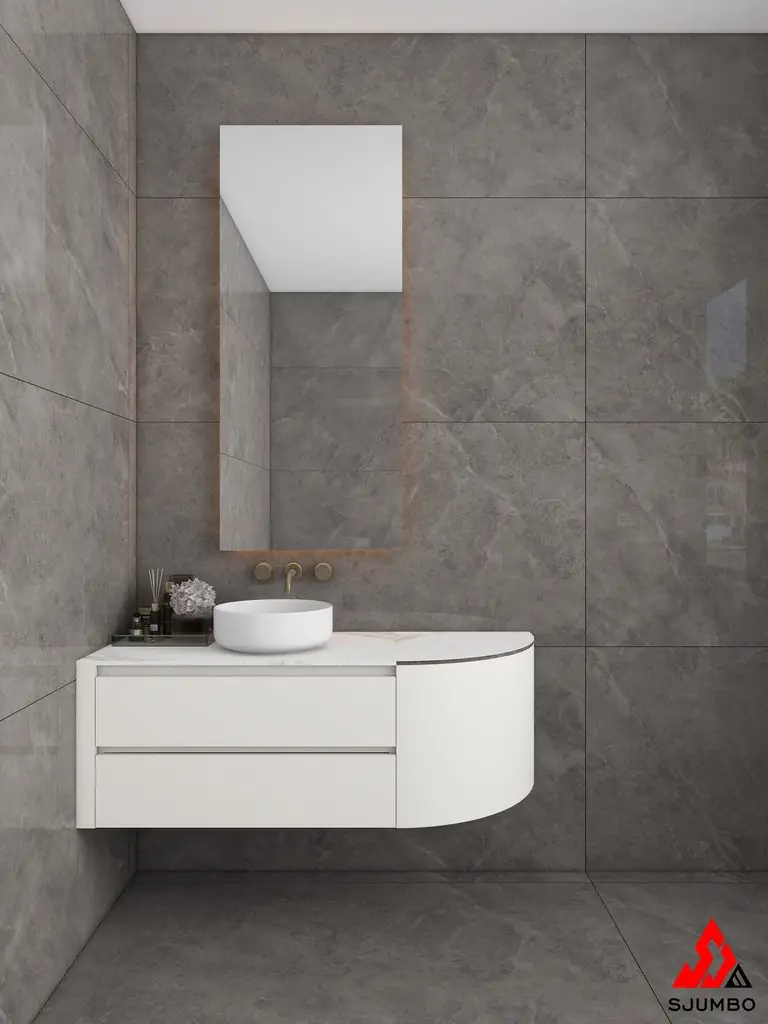
To deliver both the natural beauty of wood and the indestructible nature of metal, SJUMBO utilizes an advanced multi-layer composite system engineered specifically for commercial project durability. As a turnkey manufacturer of full-home custom furniture with 16 years of export experience and projects across the USA, Canada, and Australia, SJUMBO has refined this system through real-world field data.
1. Outer Decorative Layer: Compact laminate (HPL) or high-durability moisture-resistant veneers. Provides rich wood grain, matte stone, or tactile leather textures without sacrificing water resistance. The metal skeleton is completely concealed—delivering the warmth of wood with the strength of aluminum.
2. Core Load-Bearing Frame: High-strength, aviation-grade structural aluminum extrusions. Handles all heavy countertop weight (marble/quartz) and mechanical loads without warping or bowing over time. This is the structural backbone that plywood cannot match in humid environments.
3. Sealing & Base Isolation: Heavy-duty suspended mounting brackets combined with rubberized hydrophobic isolation pads. Prevents the cabinet bottom from coming into contact with standing floor water and rising moisture.
A luxury beachfront resort development located in a high-humidity coastal region upgraded its original specification from marine plywood vanities to SJUMBO composite aluminum-frame vanities. The results over a 24-month post-handover period:
| Metric | Marine Plywood (Previous) | SJUMBO Aluminum Frame | Improvement |
| Failure Rate | 15% | 0% | 100% elimination |
| Maintenance Budget | Baseline | Reduced by 82%+ | Significant TCO savings |
| ROI Payback | — | 14 months | Offsets initial cost upgrade |
The initial material cost premium was fully offset within 14 months by eliminating field callbacks, replacement shipments, and local repair labor.
Procurement decisions should account for Total Cost of Ownership (TCO) rather than just the initial unit FOB price. The formula below helps project managers and procurement teams quantify the real cost difference:
Total Project Cost = Unit Purchase Price + Freight/Tariffs + Installation Labor + (Failure Rate % × (Replacement Unit Cost + Air Freight + Local Repair Labor))
In coastal or high-humidity regions, even a 10% failure rate with traditional wood vanities quickly wipes out any initial price savings due to high overseas shipping and local repair costs. A 15% failure rate—the baseline in the case study above—can push total project cost far beyond the premium of an aluminum-frame system.
Assume a 200-vanity project with a $20/vanity plywood cost advantage over aluminum frame:
400/vanity. Total replacement cost = **12,000**.The math only gets more favorable for aluminum over the full project lifecycle.
High-grade architectural aluminum alloys do not absorb moisture or rust. Structural stability depends on metal wall thickness and joinery design. SJUMBO engineered systems use heavy-wall extrusions and reinforced mechanical corner connectors, ensuring the vanity stays square and rigid for decades—even in 80%+ humidity environments.
Not at all. Modern aluminum-frame systems conceal the internal metal skeleton entirely behind premium outer finishes—textured wood-grain laminates, matte powder coats, or leather-feel panels. Paired with LED mirrors and natural stone countertops, they deliver a warm, modern luxury aesthetic that meets the standards of five-star hospitality projects.
Use the TCO formula above. The key variables are failure rate and replacement cost per unit. In high-humidity regions, plywood’s lower unit price is a false economy once failure rate and air-freight replacement costs are factored in. Request SJUMBO’s project-specific ROI calculation for your target market.
Yes. SJUMBO vanities are compliant with CARB and CE standards, with full-process quality assurance. We support projects in the USA, Canada, Australia, and other international markets with the necessary certification documentation.
SJUMBO provides a 3-year cabinet warranty covering structural integrity, with end-to-end service from design through installation support.
Ready to specify zero-complaint bathroom vanities for your next coastal or tropical project? Contact SJUMBO for project-specific material recommendations, TCO calculations, and sample requests. With 16 years of export experience and projects across the USA, Canada, and Australia, we help buyers eliminate moisture failures before they happen.
When it comes to full-house custom cabinet material mat […]
The most frustrating handover issue happens when expens […]
Ask any commercial joinery exporter or project contract […]
When it comes to home storage, the wardrobe is far more […]
Related links:
About Us Company News Industry Updates Kitchen Cabinets Bathroom Suites Wardrobes Wall Systems Doors Windows & Balustrades SSL 100% Secure Transactions