
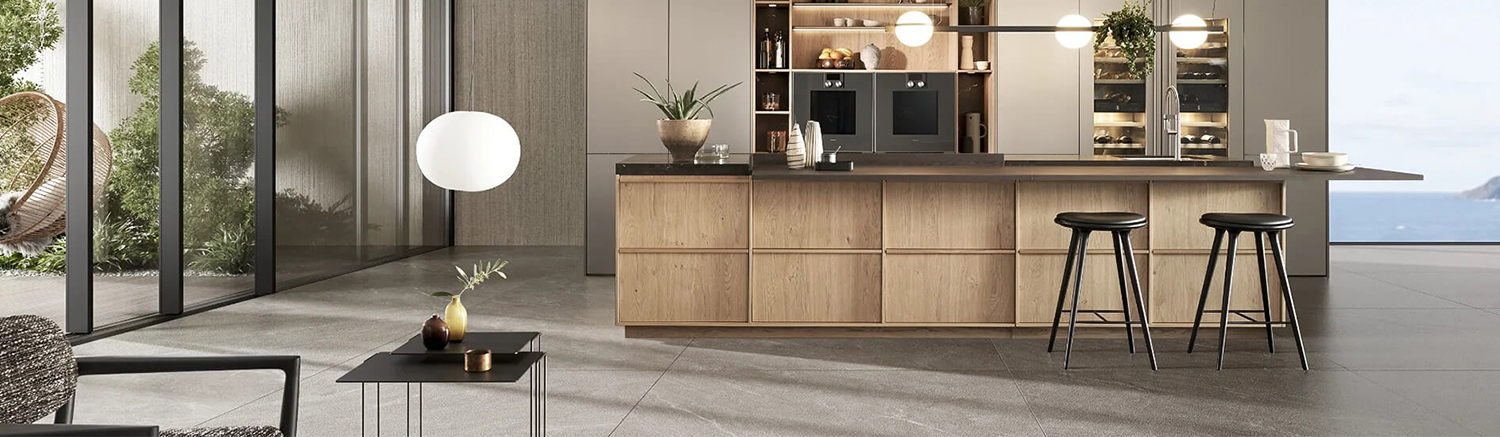
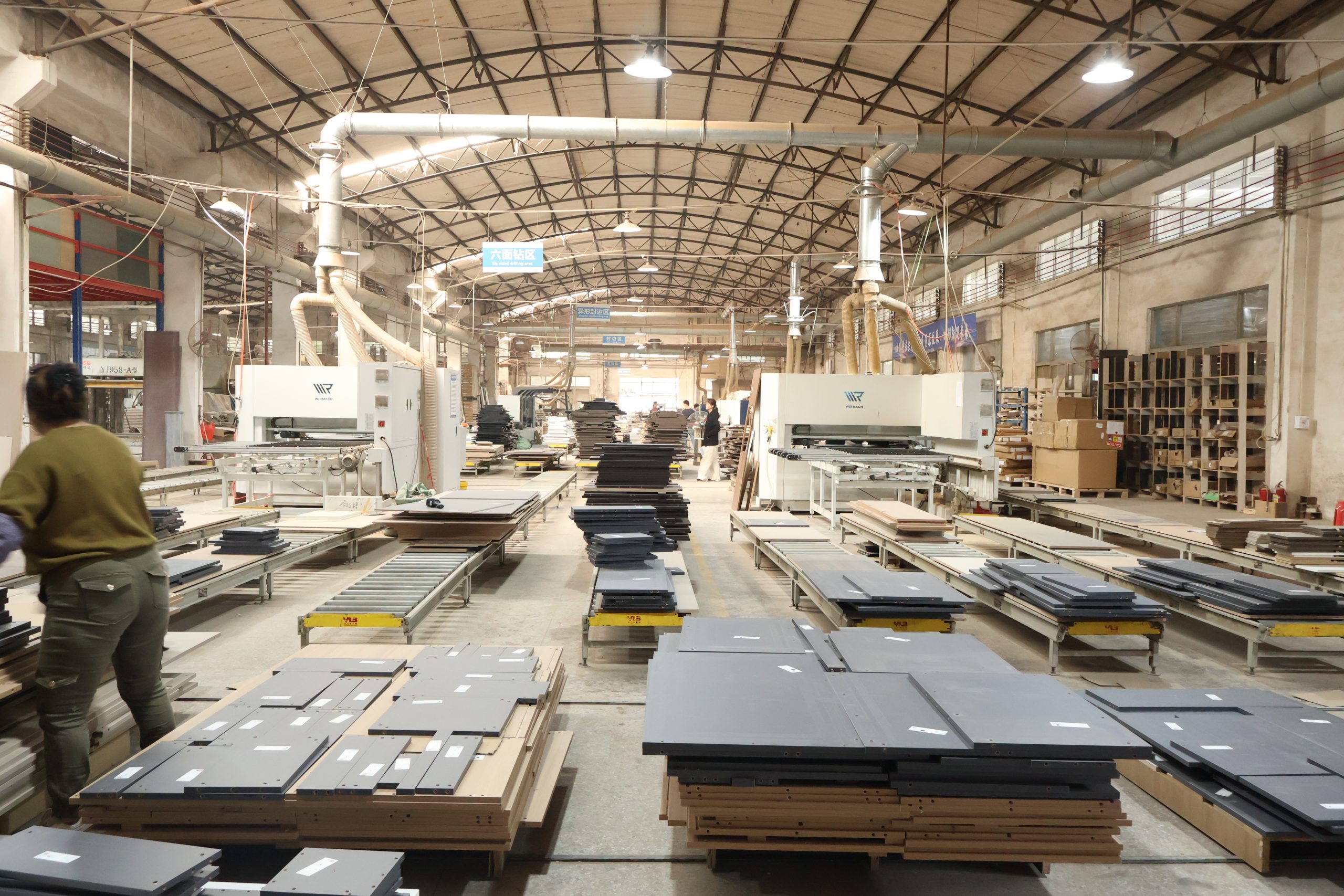
In 2026, One-Stop Building Material Suppliers have become the mainstream choice for large-scale construction and residential development projects in the field of engineering building material procurement, with many project parties hoping to simplify processes and reduce overall costs through one-stop procurement. SJUMBO, which has 16 years of experience in whole-house customization and building material integration, has found in serving various engineering projects that China one-stop building material solutions seem to reduce logistics and coordination costs by 15%-20%, but once suppliers lack professional control over vertical categories, problems such as post-installation rework, size deviations, and non-compliance will push up additional project costs by 30% directly, and even delay the overall construction period. Many project parties only see the convenience of one-stop procurement, but ignore the hidden risks in the industry. A truly reliable one-stop building material suppliers is never a simple patchwork of products, but a professional control of the whole process.
One-stop building material suppliers in the market do not follow the same model, and different operation forms directly determine the ability and risk coefficient of serving engineering projects. Combined with 2026 industry research data, we have sorted out the core models in the following standard table for project parties to intuitively identify:
| Supplier Type | Operating Model | Pro-Project Benefits | Core Weaknesses | Risk Level |
|---|---|---|---|---|
| Hybrid Manufacturer | Core products self-produced + strategic cooperative OEM | Stable batch delivery, unified process standards, and deep customization available | Slightly weak control over non-core categories | Moderate |
| Trading House | No self-production, purely integrating resources of small and medium-sized factories | Extensive product range, fast quotation, and flexible MOQ | Large quality fluctuations, uncontrollable delivery time, and no responsible subject | High |
| Project Agency | Pure service/consulting-oriented, overall coordination of delivery | Specialist follow-up, time-saving and labor-saving, one-stop docking | Extremely high premium rate, no production right to speak, easy to shirk responsibility | Critical |
In the procurement of cabinets for a 200-apartment project, a Trading House acting as a one-stop building material procurement supplier ignored the Interface Tolerance between cabinet skirting boards and hidden doors and did not make any in-depth drawing adjustments. As a result, all cabinets could not be installed normally after being delivered to the site in batches. This not only generated an additional 15% labor cost for on-site cutting and rectification, but also caused a 12-day delay in delivery, with the project party bearing additional liquidated damages for delay, resulting in a total loss of more than $30,000——this is also the core trap that most project parties easily step on when choosing pure integrated one-stop suppliers.
Combined with the above case and 16 years of industry experience, SJUMBO found that the hidden risks of professional one-stop building material providers are mostly concentrated in three dimensions: professionalism, compliance, and delivery capacity. Specifically, they can be divided into the following 6 points, with targeted avoidance directions attached:
Suppliers specializing in door and window building materials may not be proficient in the moisture-proof and wear-resistant process standards of whole-house customization; manufacturers good at bathroom accessories can hardly grasp the connection specifications between cabinets and embedded equipment. If professional one-stop building material providers have no experience in deep cultivation in core building material fields, it is easy to cause confusion in process standards of different categories. For example, the surface technology of batch-delivered custom cabinets is disjointed from the texture of supporting wall panels, which cannot meet the delivery requirements of high-end projects at all.
Mitigation Direction: Prioritize Hybrid Manufacturers with independent production capacity for core categories, verify the production qualifications and process reports of their core products, and avoid pure integrators without any independent production capacity.
The core difficulty of building material installation in large-scale engineering projects lies in the connection of different categories. Whether it is the splicing of skirting boards and hidden doors, the fitting of custom cabinets and building walls, or the matching of bathroom building materials and hydropower interfaces, accurate cross-reference drawings are required. Many one-stop suppliers only provide basic product drawings and ignore the in-depth design of cross-category interfaces. The dimensional tolerance exceeds industry standards, and forced cutting and rectification can only be carried out during on-site installation, which seriously damages product integrity.
Mitigation Direction: Clearly require suppliers to issue cross-category cross-reference drawings in the contract, provide 3D in-depth plans for key connection parts, clarify dimensional tolerance standards, and avoid disputes later.
Engineering procurement emphasizes batch synchronous delivery. The delay of a small-specification bathroom hardware or a batch of custom hardware accessories will lead to the failure of the whole container of goods to be shipped on time, thereby slowing down the construction progress of the entire project. According to 2026 industry data, more than 60% of one-stop procurement project delays are caused by delivery control of non-core categories. This domino effect will directly affect the completion acceptance and subsequent operation of the project.
Mitigation Direction: When signing the delivery agreement, clearly specify the delivery time limit of each category and the delay compensation clause, require suppliers to provide a category-specific delivery schedule, and check potential delay risks in advance.
There are different implementation standards for environmental protection and quality certification of construction building materials for different categories. For example, wooden building materials must comply with CARB2 certification, solid wood raw materials must have FSC certification, and coatings and adhesives also have exclusive environmental protection standards. Some one-stop suppliers patch up products from different factories to reduce costs, cannot ensure the uniformity of certification qualifications of all building materials, and are easily blocked due to compliance issues during project acceptance.
Mitigation Direction: Ask suppliers to provide original certification documents for all categories of building materials, and entrust a third-party organization to conduct random inspections for core building materials such as wood and coatings to ensure that certifications such as CARB2 and FSC are true and effective.
Large-scale construction projects require large quantities of standardized building material products. For one-stop suppliers without independent production lines, entrusted OEM products are prone to batch errors in size, color and process. The consistency of the same batch of products is not up to standard, which cannot meet the requirements of large-scale installation of projects at all. The later rectification cost far exceeds the cost saved in procurement.
Mitigation Direction: For large projects, require suppliers to produce sample batches first, verify product consistency and installation adaptability, and start large-scale production only after passing the inspection; at the same time, agree on the error standard of batch products.
If a one-stop supplier is only a resource integrator rather than a production subject, once there are product quality or installation adaptation problems, it will shift the responsibility to the OEM factory, and the OEM factory will shift blame on the grounds of “producing according to the supplier’s requirements”, leaving the project party in a dilemma of no way to pursue accountability, let alone long-term warranty services.
Mitigation Direction: Sign clear after-sales warranty clauses, agree on the responsible subject, rectification time limit and compensation standard for quality problems, and give priority to suppliers with independent production capacity that can directly bear after-sales responsibilities (such as SJUMBO).
Based on 16 years of experience in serving engineering projects, SJUMBO has compiled a set of implementable audit plans to help project parties avoid various risks of one-stop customized building material services and accurately select reliable suppliers:
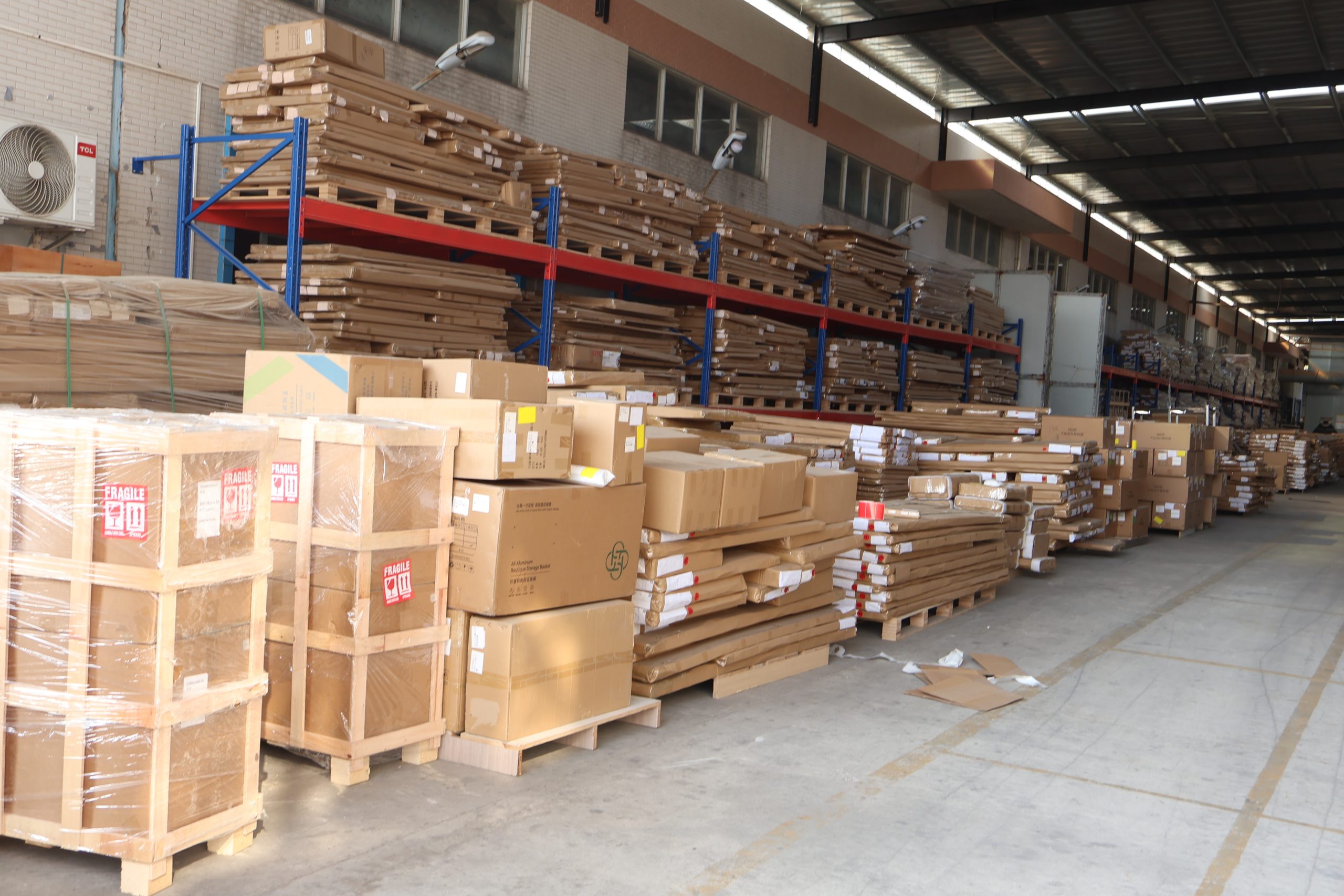
Combined with years of service experience, we have sorted out 4 core questions most concerned by project parties, accurately answering the core puzzles of one-stop building material procurement, and helping project parties make correct choices:
Q: Is one-stop building material procurement really more suitable for large-scale engineering projects than separate procurement?
A: The adaptability depends on the professional ability of the supplier. One-Stop Building Material Suppliers with independent production capacity can coordinate logistics and delivery, which can indeed reduce engineering coordination costs and reduce communication internal friction; however, pure integrated suppliers will increase project risks due to quality and delivery problems, which is far less stable than special procurement. SJUMBO’s hybrid model not only retains the convenience of one-stop procurement, but also ensures the professionalism of core products, making it the preferred choice for most large-scale projects.
Q: How to judge whether a one-stop supplier can adapt to the batch customization needs of large-scale projects?
A: Ask for the supplier’s past cases of serving similar projects, verify the delivery reports and acceptance documents of batch products, and require the provision of capacity data, production equipment lists and quality inspection process descriptions for large-scale production; a truly powerful supplier (such as SJUMBO) will take the initiative to show engineering service cases, factory photos and batch delivery capabilities, and will not deliberately hide relevant information.
Q: In one-stop procurement, how to ensure that the environmental compliance of all building materials meets the standards?
A: Ask the supplier to provide original certification documents for all categories of building materials, and entrust a third-party organization to conduct random inspections for core building materials such as wood and coatings to ensure that certifications such as CARB2 and FSC are true and effective without patchwork qualifications; at the same time, agree in the contract that if the project acceptance is blocked due to compliance issues, the supplier shall bear all responsibilities and losses.
Q: How does SJUMBO’s one-stop building material customization service solve the core pain points of engineering projects?
A: SJUMBO has 16 years of experience in whole-house customization and building material integration, and is a standard Hybrid Manufacturer. Core customized products (cabinets, wardrobes, whole-house storage, etc.) are independently produced, and supporting building materials all come from high-quality factories with long-term strategic cooperation. It provides full-process services including drawing deepening, batch quality inspection, batch delivery and after-sales warranty, combining the convenience of one-stop procurement with the control of professional categories, perfectly adapting to the procurement needs of various large-scale engineering projects, and avoiding hidden risks from the root.
In the field of engineering building material procurement, the value of One-Stop Building Material Suppliers is never the piling up of categories, but professional, controllable and implementable full-process services. Project parties in 2026 need to rationally identify supplier qualifications, avoid hidden risks, and choose service providers with both production strength and integration capabilities like SJUMBO, so as to truly reduce costs and increase efficiency and ensure the smooth progress of the project. For more one-stop building material customization solutions, please visit website for details.
Why Mass Cabinetry Projects Fail? Commercial multi-fami […]
In the custom furniture industry, the core of quality l […]
The Nightmare Scenario: “Just two seasons after h […]
Custom joinery solutions for coastal luxury villas requ […]
Related links:
About Us Company News Industry Updates Kitchen Cabinets Bathroom Suites Wardrobes Wall Systems Doors Windows & Balustrades SSL 100% Secure Transactions